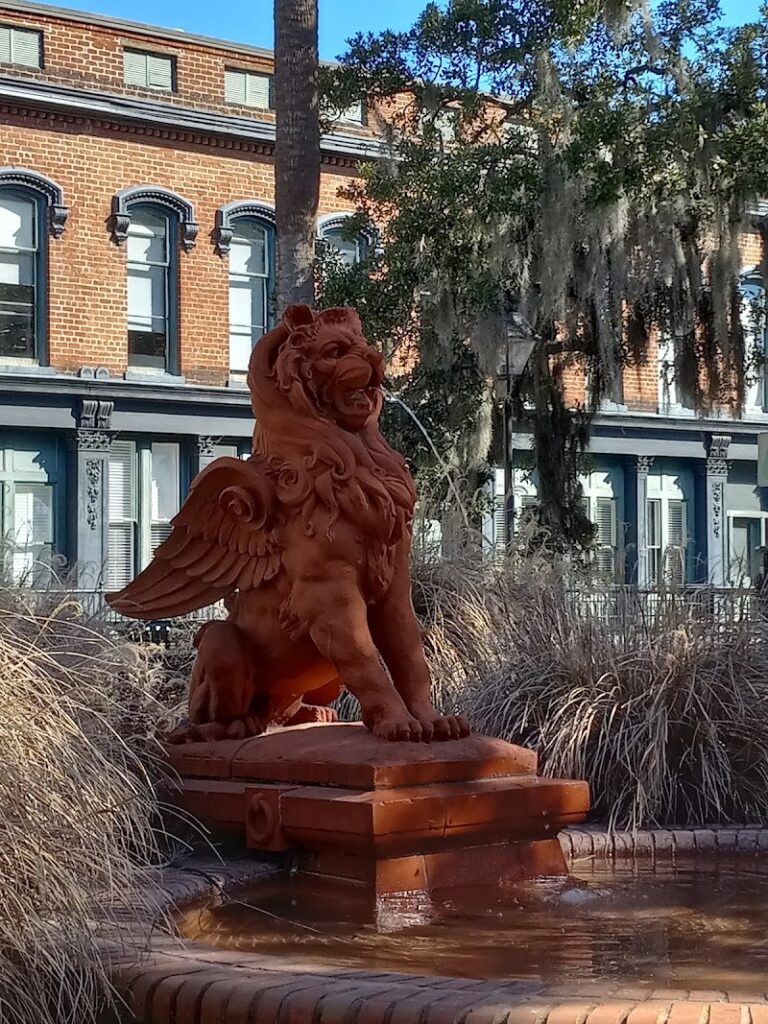
Atlanta Tourist Map: Attractions, Neighborhoods and Routes
We are Ana and Kevin, and Atlanta is easier to plan when you stop thinking of it as one compact downtown. The city spreads across Downtown, Midtown, the east-side neighborhoods, historic districts, parks and day-trip corridors. This Atlanta tourist map helps you group the places that make sense together, so you spend the day exploring instead of crossing the city back and forth.
Disclosure: this article contains affiliate links. We may earn a commission if you book accommodation, activities, insurance or flights through them, at no extra cost to you.
If you are comparing an Atlanta attractions map, Atlanta tourist attractions map or map of Atlanta attractions, start with the travel area first. Downtown is best for the classic first-timer sights, Midtown works for parks and museums, and the east side is stronger for the BeltLine, food stops and civil rights history. For wider southern planning, compare this route with our Savannah tourist map, Charleston tourist map and Nashville tourist map.
Interactive Atlanta Attractions Map
Use the map to separate Downtown, Midtown, the BeltLine and the east-side history stops. Atlanta traffic and parking can change the pace, so we would rather plan one strong cluster per half day than stack every attraction in one impossible route.
Load the Atlanta map to group Downtown, Midtown, the BeltLine, east-side history stops and easy day-trip links.
Open the Atlanta tourist map in Google MapsBest Areas to Read on the Atlanta Map
Downtown Atlanta: first-timer landmarks
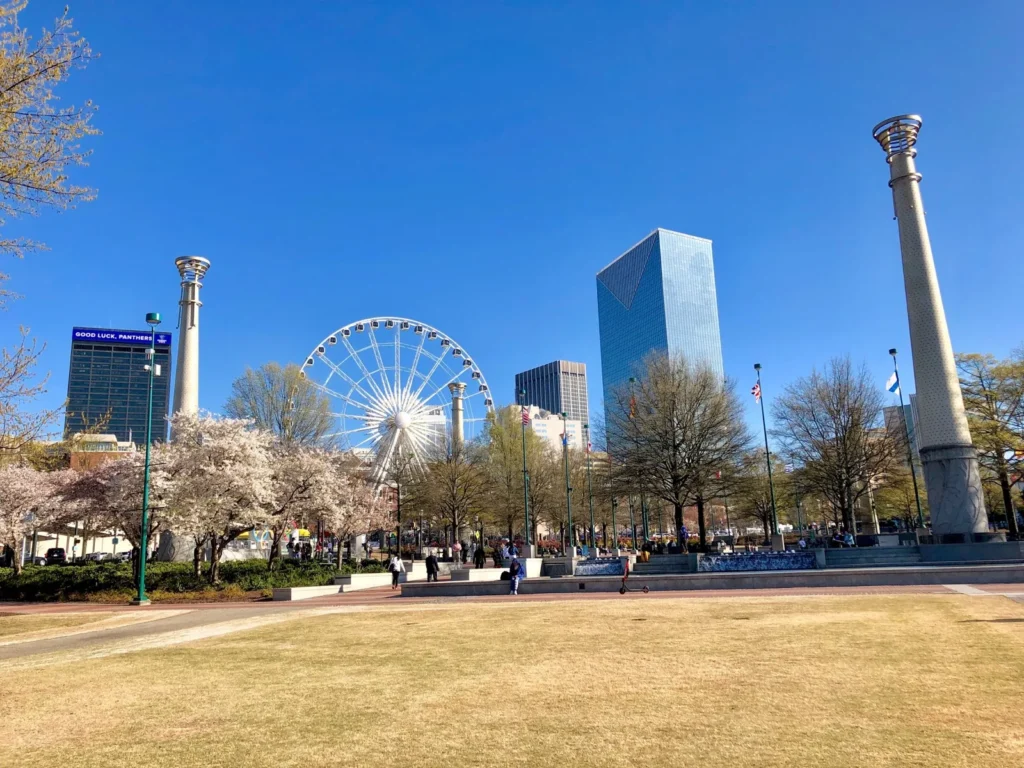
Downtown is the easiest place to start if this is your first Atlanta visit. Centennial Olympic Park, the Georgia Aquarium area, World of Coca-Cola, the National Center for Civil and Human Rights and nearby convention hotels sit close enough to combine on foot. This is the core section for most Atlanta attractions map searches.
Midtown: parks, museums and skyline views
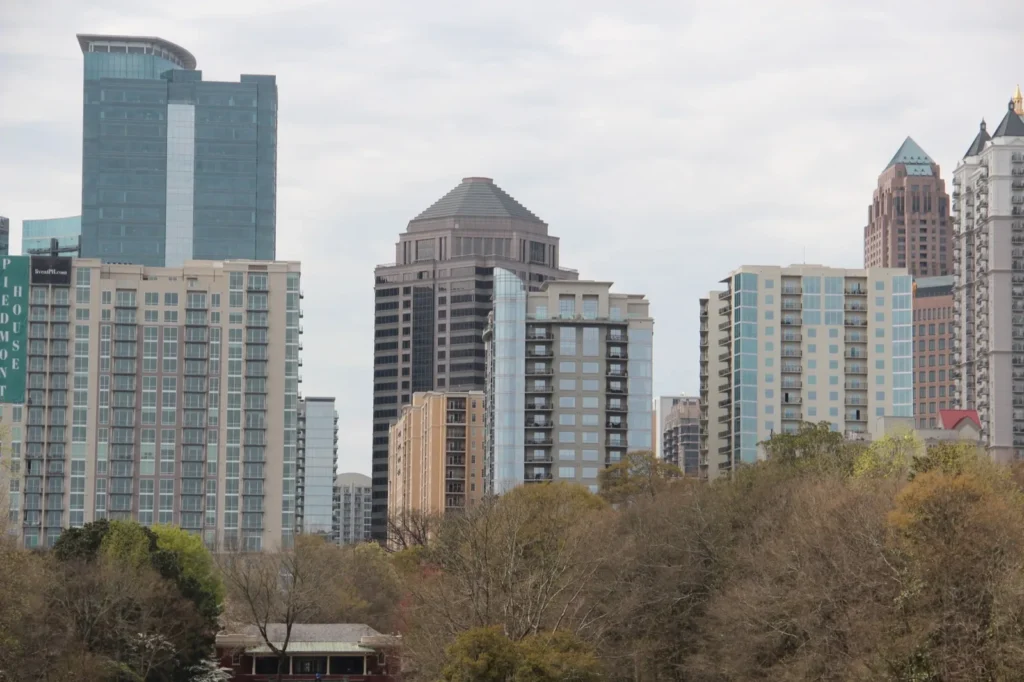
Midtown gives the map a calmer and more cultural rhythm. Piedmont Park, the High Museum of Art, Fox Theatre and skyline viewpoints are easier to enjoy when grouped together. If we had only one longer walk, we would use Midtown as the bridge between city energy and green space.
East-side Atlanta: BeltLine, food and history
The east side is where Atlanta starts to feel more local. The BeltLine, Ponce City Market, Inman Park and Old Fourth Ward can create a strong food-and-walking route. Add the Martin Luther King Jr. National Historical Park as a meaningful history anchor rather than treating it as a quick pin.
Buckhead and northern Atlanta
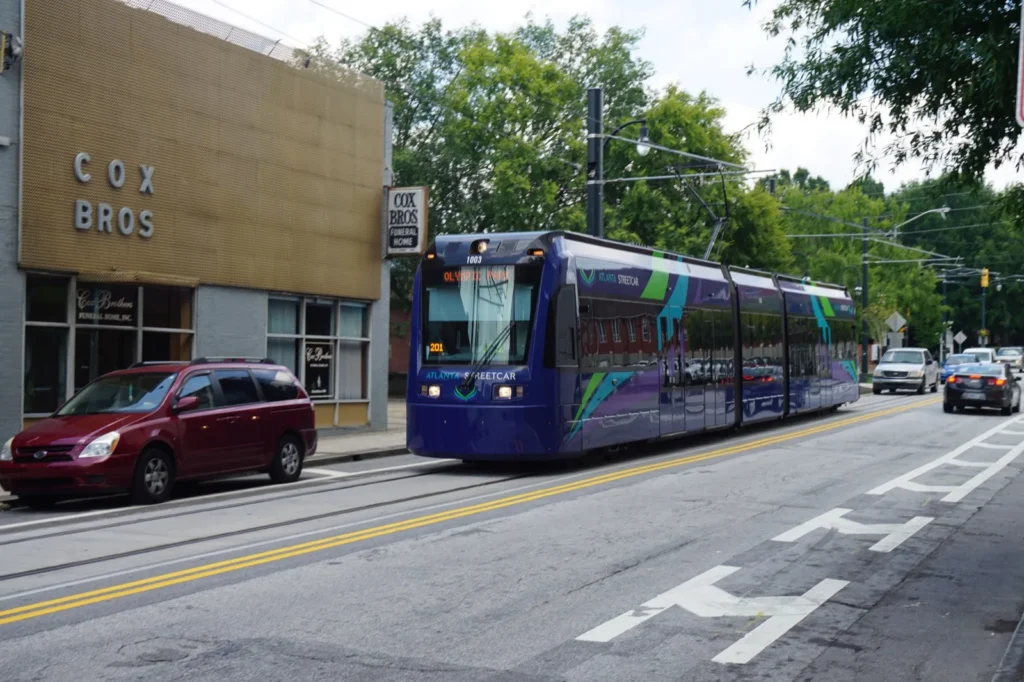
Buckhead is useful if your trip leans toward shopping, restaurants, hotels or business travel. It is not the most efficient base for every sightseeing route, but it can work well if you plan northern Atlanta, the History Center or a more hotel-focused stay.
Day-trip corridors from Atlanta
If you have a car, the map opens up quickly. Stone Mountain, Marietta, the Chattahoochee River area and North Georgia mountain routes can work as separate day trips. Keep them out of the same day as Downtown unless you enjoy sitting in traffic.
Atlanta Route Ideas from the Map
Classic half day: Centennial Olympic Park, Georgia Aquarium area, World of Coca-Cola and the Civil and Human Rights museum district.
Midtown culture day: Piedmont Park, High Museum of Art, Fox Theatre and a skyline-view walk or dinner nearby.
East-side walking route: Martin Luther King Jr. National Historical Park, Old Fourth Ward, the BeltLine, Ponce City Market and Inman Park.
Weekend route: one Downtown/Midtown day, one east-side food-and-history day, plus one flexible car trip if you want nature or small-town stops.
Where to Stay in Atlanta for Sightseeing
For map-friendly sightseeing, compare Downtown, Midtown, Old Fourth Ward/Inman Park and Buckhead. Downtown is practical for first-timer attractions, Midtown is balanced for parks and culture, Old Fourth Ward feels more walkable for food and the BeltLine, and Buckhead is better for shopping or a quieter hotel base.
Plan activities, insurance and flights for Atlanta
Once the map route is clear, the next practical step is checking what to book around it: guided activities, travel insurance and flight options if you are coming from abroad.
Use the activity widget below to compare current tours and tickets for Atlanta. For the travel side, you can also review insurance with IATI and compare flights before fixing dates.
Check travel insurance with IATI Compare flights for Atlanta
Atlanta Map Planning Checklist
Best first anchor: Downtown if you want the classic attractions; Midtown if you want parks, museums and easier walks.
Best no-car day: group Downtown and Midtown around MARTA, rideshare and walking sections.
Best local-feeling route: east-side Atlanta with the BeltLine, food halls and Old Fourth Ward.
Best planning warning: do not underestimate traffic. A short line on the map can become a slow transfer at the wrong time of day.
Frequently Asked Questions about the Atlanta Tourist Map
What should be on an Atlanta tourist map?
A useful Atlanta tourist map should include Downtown attractions, Midtown, Piedmont Park, the BeltLine, the Martin Luther King Jr. National Historical Park, key museums, food areas and practical hotel bases.
What is the best area to stay in Atlanta for sightseeing?
Downtown is best for classic attractions, Midtown is the most balanced, Old Fourth Ward works well for food and the BeltLine, and Buckhead is better for shopping or a quieter hotel stay.
Can you visit Atlanta attractions without a car?
Yes, especially if you group Downtown, Midtown and east-side stops carefully. MARTA, walking sections and rideshare can work, but a car helps for outer neighborhoods and day trips.
How many days do you need in Atlanta?
Two days are enough for a focused first visit. Three days feel better if you want Downtown, Midtown, the BeltLine and one nature or history stop outside the central route.