
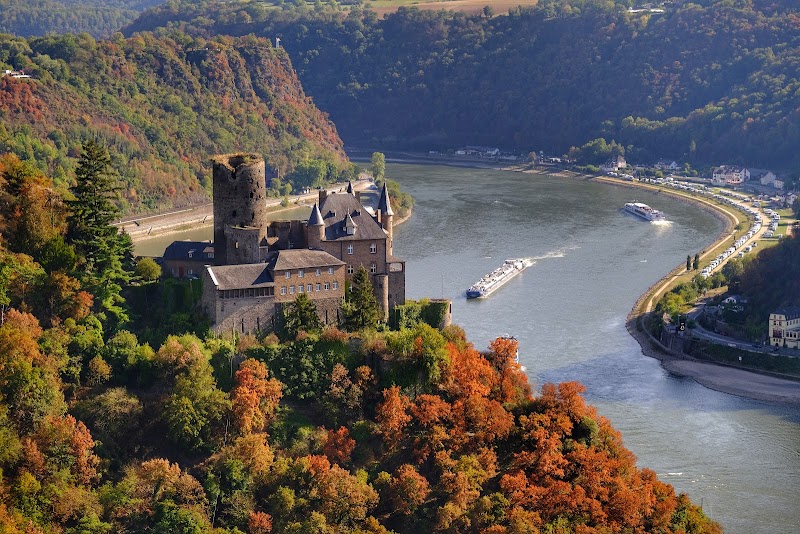
Rhine Valley Tourist Map: Castles, River Towns and Scenic Route
We are Ana and Kevin, and the Rhine Valley is exactly the kind of region where a map matters. Castles, river bends, vineyards, Loreley viewpoints, boat piers, train stops and small towns sit close together, but they do not all fit into one rushed day. This Rhine Valley tourist map helps you choose the right section of the river and connect stops in a route that feels scenic rather than scattered.
Disclosure: this article contains affiliate links. We may earn a commission if you book accommodation, activities, insurance or flights through them, at no extra cost to you.
If you are searching for a Rhine Valley map, tourist map of Rhine Valley, map of Rhine Valley Germany or Rhine Valley attractions map, start with the Middle Rhine. The most useful plan usually groups castles, river towns, viewpoints, train lines and boat routes. For wider context, compare this page with our Germany tourist map, Rhineland tourist map, Bonn tourist map and Cologne tourist map.
Interactive Tourist Map of the Rhine Valley
Use the map to group castles, Loreley viewpoints, river towns, vineyards, rail stops, boat piers and accommodation bases. The Rhine Valley is not hard to understand, but it is easy to overpack if you treat every castle pin as equal.
Load the Rhine Valley map to group castles, Loreley viewpoints, river towns, vineyards, rail stops, boat routes and practical bases.
Open the Rhine Valley tourist map in Google MapsBest Areas to Read on the Rhine Valley Map
Middle Rhine castles and river bends
The castle layer is the visual heart of the route. Pick a focused section first, then choose whether you want castle interiors, viewpoints from above the river, or a boat/train route that lets the scenery do most of the work.
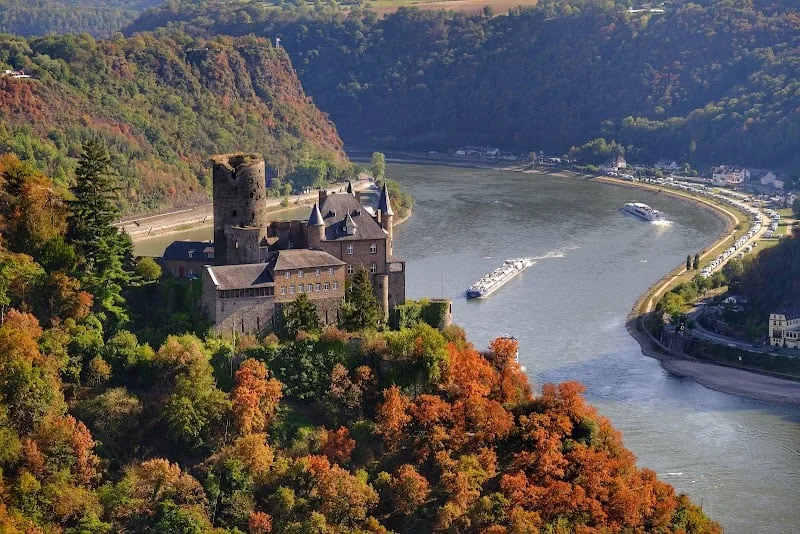
Loreley and the scenic viewpoint corridor
The Loreley area helps you understand the classic Rhine Valley shape: steep slopes, tight river bends, villages and viewpoints. We would treat it as a core route section instead of a quick isolated stop.
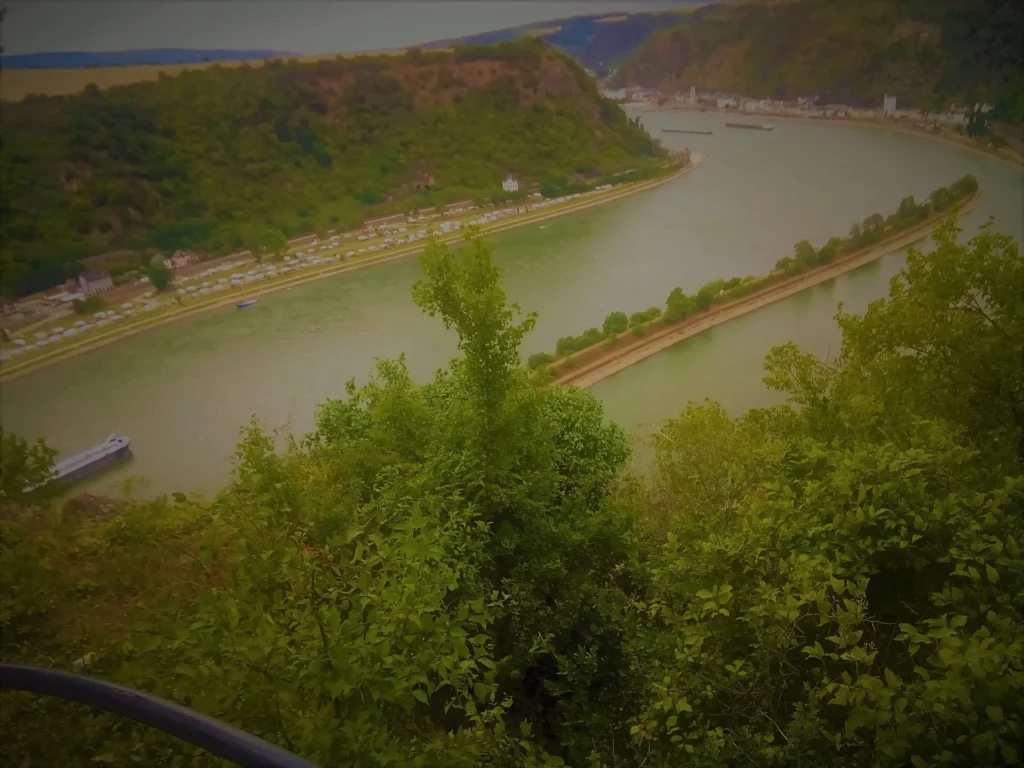
River towns, rail stops and boat piers
Bacharach, Boppard, St Goar, Rudesheim, Koblenz and nearby towns work best as bases or route nodes. The map should show where you can sleep, board a boat, catch a train and avoid repeating the same stretch of river.
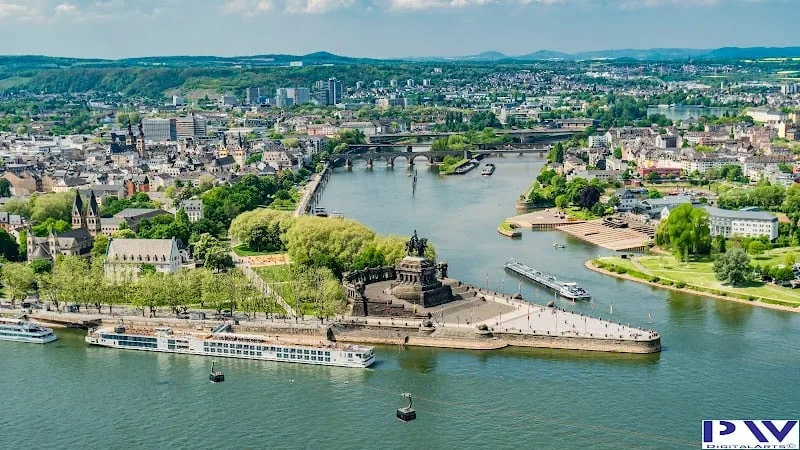
Vineyards, slower drives and wider Germany links
Vineyards and scenic roads add depth, but they also slow the route down. If you are linking the Rhine Valley with Bonn, Cologne, Frankfurt or a wider Germany trip, decide whether this is a day trip, an overnight base or a multi-day river plan.
Suggested Rhine Valley Routes from the Map
Classic day route: choose one Middle Rhine section, combine one castle or viewpoint with one river town, then return by train or boat.
Boat and rail route: sleep in a river town, use a boat for the scenic stretch, and use rail to avoid backtracking by road.
Castle-focused route: pick fewer castles and add enough time for viewpoints; trying to visit too many interiors can make the day feel rushed.
Germany route connection: use Bonn, Cologne, Koblenz or Frankfurt as arrival anchors, then narrow the Rhine Valley section before booking accommodation.
Where to Stay in the Rhine Valley
For a map-friendly visit, compare Bacharach, Boppard, St Goar, Rudesheim, Koblenz and Bonn/Cologne. Small river towns feel more atmospheric, while Koblenz, Bonn and Cologne are stronger if transport and onward rail connections matter more.
Find accommodation in the Rhine Valley
Plan activities, insurance and flights for Rhine Valley
Once the map route is clear, the next practical step is checking what to book around it: guided activities, travel insurance and flight options if you are coming from abroad.
Use the activity widget below to compare current tours and tickets for Rhine Valley. For the travel side, you can also review insurance with IATI and compare flights before fixing dates.
Check travel insurance with IATI Compare flights for Rhine Valley
Rhine Valley Map Planning Checklist
Best first decision: day trip, overnight river base or multi-day route.
Best route layer: castles and viewpoints first, then rail/boat logistics.
Best base rule: stay in a river town for atmosphere, or a larger city for easier transport.
Best mistake to avoid: trying to cover the whole Rhine Valley when one focused section would be more rewarding.
Frequently Asked Questions about the Rhine Valley Tourist Map
What should be on a Rhine Valley tourist map?
A useful Rhine Valley tourist map should include castles, Loreley viewpoints, river towns, vineyards, rail stations, boat piers, scenic roads, accommodation bases and links to Bonn, Cologne, Koblenz or Frankfurt.
What is the best part of the Rhine Valley to map first?
The Middle Rhine is usually the best first section because it combines castles, river bends, towns, vineyards, viewpoints and good train or boat connections.
Do you need a car in the Rhine Valley?
Not always. Train and boat combinations work very well along many river sections. A car is useful for hilltop viewpoints, smaller villages and flexible vineyard stops.
How long do you need for the Rhine Valley?
One day can cover one focused section. Two or three days are better if you want castles, river towns, boat time, viewpoints and slower meals without rushing.